
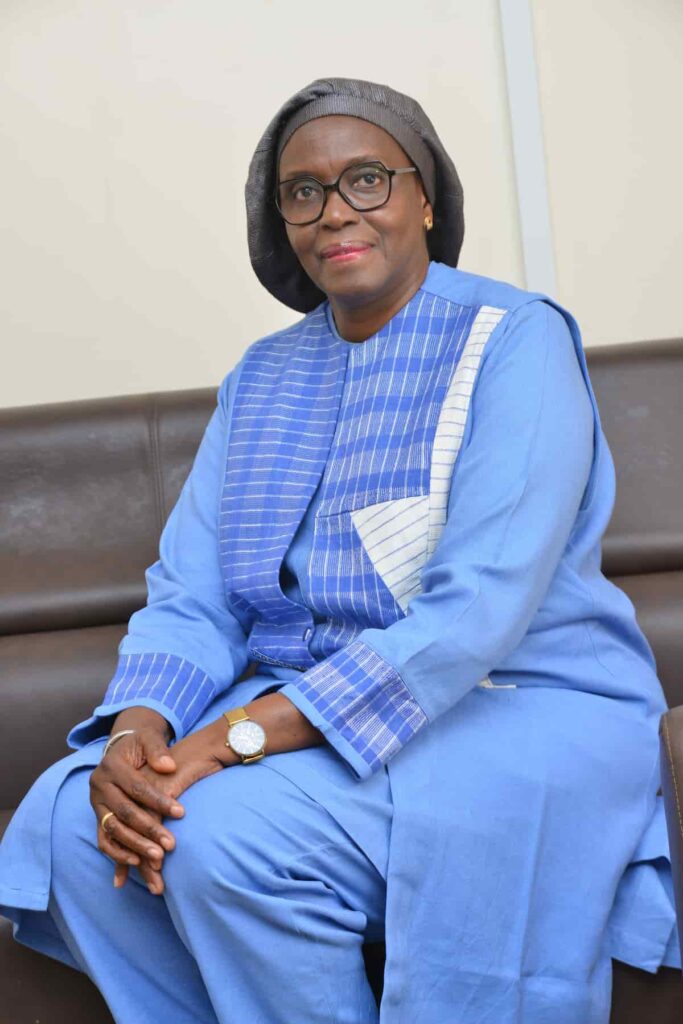
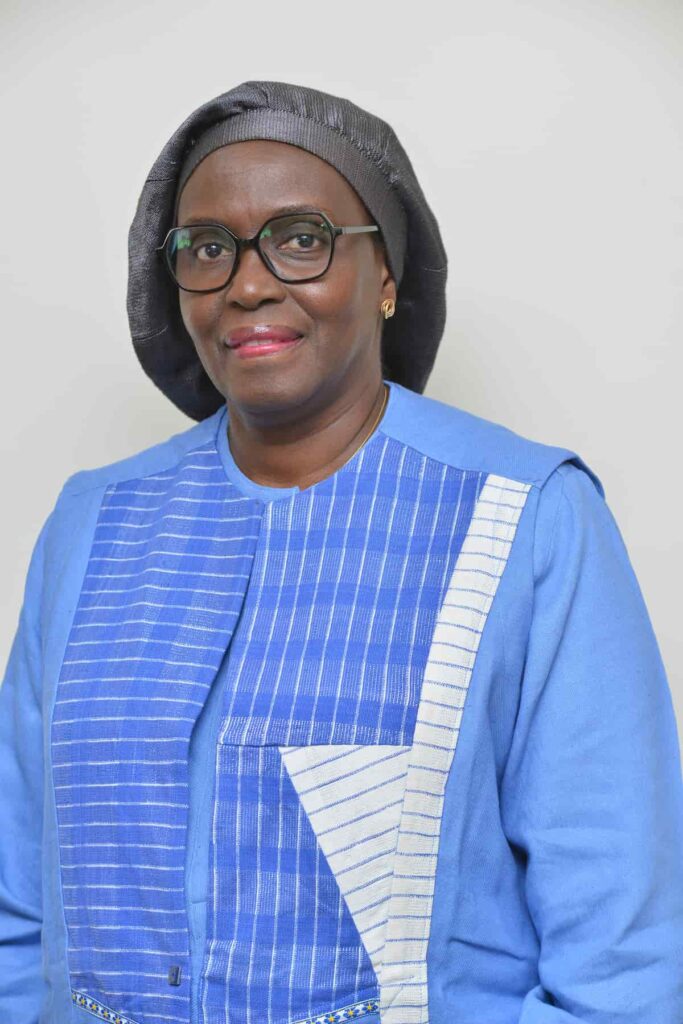
Natural resources have the power to transform nations, but only when they are managed responsibly and with a long-term vision. Throughout her distinguished career, Dr. Rokhaya Samba Diène has remained committed to ensuring that geology and mining serve as catalysts for sustainable development rather than simply sources of economic wealth. Her work reflects a deep understanding that mineral resources can create lasting opportunities for communities, strengthen national economies, and support environmental stewardship when guided by sound governance and scientific knowledge.
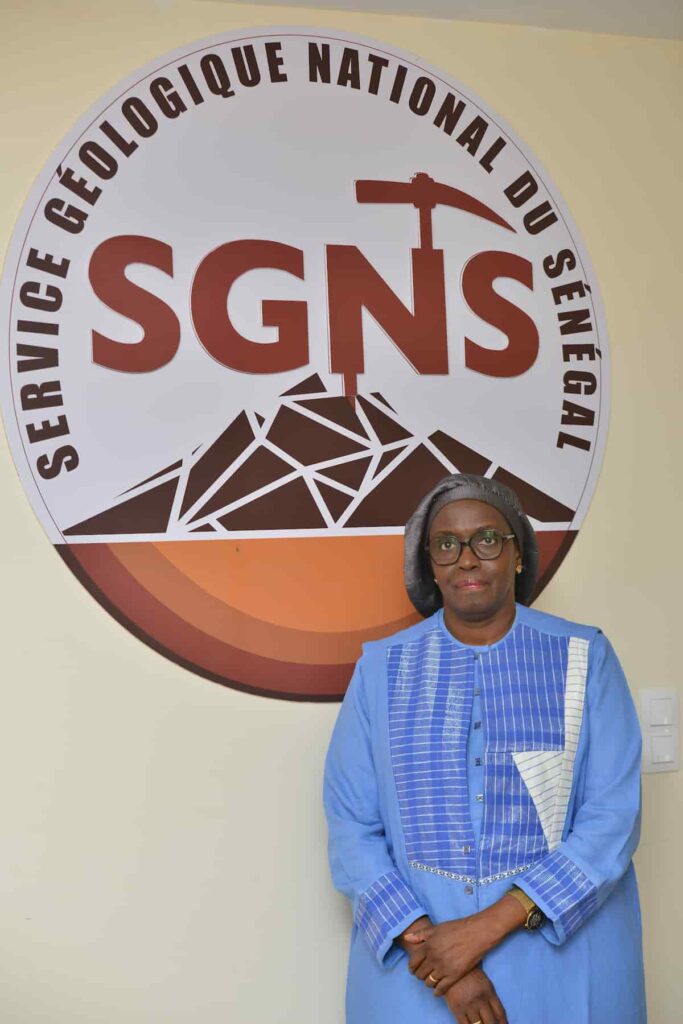
Today, as the Director General of the Senegalese National Geological Survey (SGNS), Dr. Diène leads one of Senegal’s most important scientific institutions. Under her leadership, the organization is helping redefine the country’s mining sector through innovation, transparency, sustainability, and international collaboration. Her career spans decades of dedicated service, during which she has consistently worked to strengthen geological research, modernize resource management, and position Senegal as a trusted destination for responsible mining investment.
“Knowledge is the foundation of responsible resource management and sustainable national development.”
Her journey into geology began with a genuine curiosity about the Earth and the role its natural resources play in shaping societies. Fascinated by Earth Sciences from an early stage of her academic life, she pursued higher education in geology and later earned a Doctorate in Applied Geology from Cheikh Anta Diop University (UCAD) in Dakar. While her academic studies provided a strong scientific foundation, they also inspired a broader vision. She recognized that geology was not merely the study of rocks and minerals but a discipline capable of supporting infrastructure development, industrial growth, environmental protection, and national prosperity.
After completing her studies, Dr. Diène joined Senegal’s Directorate of Mines and Geology, where she began building practical experience as a geologist. Working directly with geological exploration and mineral resource management allowed her to understand the technical complexities of the industry while exposing her to the broader economic and social responsibilities associated with mining. These early experiences shaped her leadership philosophy and reinforced her belief that effective governance requires balancing scientific expertise with transparency, accountability, and collaboration.
As her expertise grew, so did her responsibilities. One of the defining milestones in her early career came when she was appointed to lead the Centre for Documentation and Mining Cadastre. At a time when reliable geological information was becoming increasingly valuable for governments and investors alike, she focused on improving how geological data was collected, organized, and managed. By introducing more systematic approaches to information management and increasing accessibility, she helped establish greater confidence in Senegal’s mining administration. These efforts not only strengthened decision-making within the sector but also enhanced transparency, an essential factor in attracting responsible investment.
Her ability to combine technical expertise with strategic thinking soon led to another important leadership role as Director of Prospection and Promotion. In this position, she was responsible for showcasing Senegal’s geological potential to the international mining community while encouraging sustainable investment opportunities. Rather than simply promoting mineral wealth, she emphasized the country’s commitment to responsible governance, scientific excellence, and long-term development.
Among her notable contributions during this period was her leadership in organizing the SIM-SENEGAL International Mining Conference and Exhibition. Over the years, the conference evolved into one of West Africa’s leading mining events, bringing together government officials, investors, researchers, mining companies, and industry experts from around the world. More than a networking platform, SIM-SENEGAL became a space for meaningful discussions on responsible mining, technological innovation, environmental stewardship, and regional cooperation.
The growing success of these conferences also elevated Senegal’s profile within the global mining industry. By fostering open dialogue between stakeholders and promoting transparency, Dr. Diène helped position the country as an emerging destination for sustainable mining investment. Her work demonstrated that attracting international partnerships depends not only on geological potential but also on strong institutions, reliable data, and responsible governance.
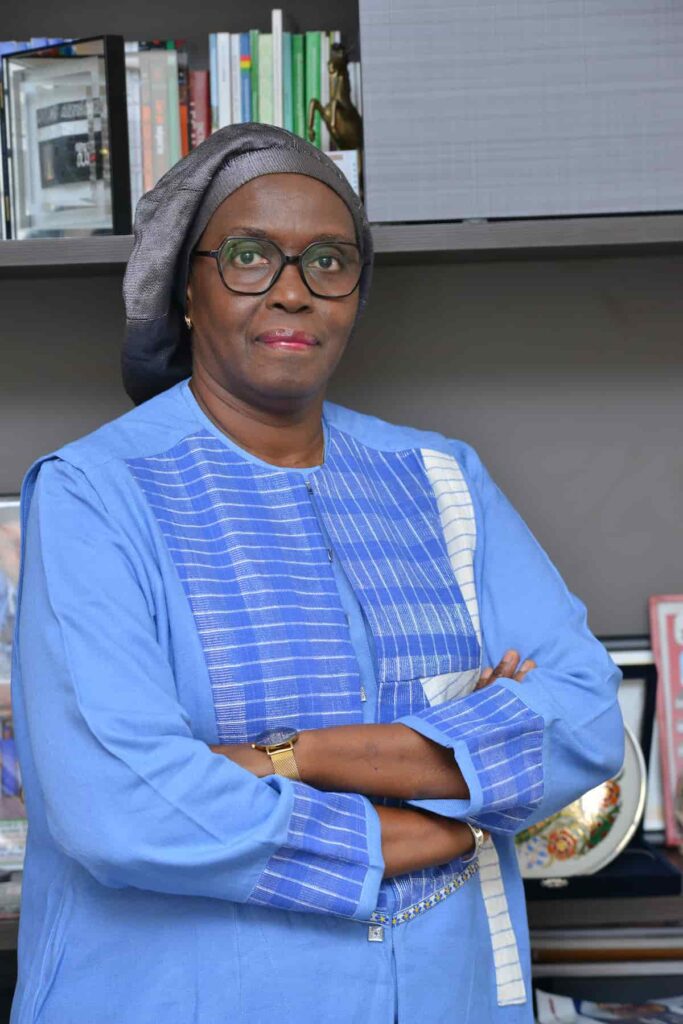
“Mining should leave behind stronger communities, healthier environments, and greater opportunities.”
Her leadership continued to gain recognition, leading to her appointment as Director of Geology before reaching another significant milestone in July 2022 when she became Director General of the Senegalese National Geological Survey. The appointment represented the culmination of years of technical excellence, professional integrity, and dedicated public service.
Today, the Senegalese National Geological Survey plays a vital role in supporting the country’s development. The institution is responsible for producing reliable geological information that guides mineral exploration, infrastructure planning, environmental management, and land-use decisions. Under Dr. Diène’s leadership, the organization has expanded its role beyond traditional geological mapping to become a strategic partner in Senegal’s long-term economic planning.
Her influence extends well beyond national borders. As former President of the Organization of African Geological Surveys (OAGS), she worked closely with geological institutions across the continent to strengthen scientific cooperation and encourage the sharing of knowledge and best practices. She has consistently advocated for greater collaboration among African nations, believing that collective expertise can help unlock the continent’s enormous geological potential while ensuring that mineral wealth contributes to sustainable economic development.
This regional perspective has become increasingly important as Africa seeks to maximize the value of its natural resources. Rather than exporting raw minerals alone, many countries are now working to develop local processing industries, encourage manufacturing, and create stronger domestic value chains. Dr. Diène has long supported this shift, believing that geological knowledge should serve as the foundation for broader industrial development and economic diversification.
Innovation has become one of the defining features of her leadership. Recognizing the rapid evolution of the global mining industry, she has championed the modernization of geological services through the adoption of advanced technologies and digital solutions. Her vision is centered on making geological information more accurate, accessible, and useful for researchers, policymakers, investors, and communities.
One of the organization’s major priorities has been the digitization of historical geological archives. Transforming decades of valuable geological records into digital formats preserves critical scientific information while significantly improving accessibility and efficiency. Combined with modern Geographic Information Systems (GIS), these digital resources provide stronger analytical capabilities and support more informed decision-making across multiple sectors.
Dr. Diène also recognizes the growing role of artificial intelligence and advanced data analytics in mineral exploration. Modern technologies are enabling geologists to analyze vast amounts of historical information more efficiently, helping identify promising exploration targets with greater precision than ever before. To strengthen these capabilities, the Senegalese National Geological Survey is collaborating with Canadian partners on the development of a Smart Data Platform designed to modernize geological data management and improve exploration planning.
“Innovation becomes meaningful when it strengthens sustainability, transparency, and trust.”
Technology, however, represents only one part of her broader vision. She believes that innovation must always be accompanied by strong institutions and continuous investment in human capital. Through participation in internationally recognized programs such as the West African Exploration Initiative (WAXI) and the PanAfGeo Programme, the organization continues to strengthen technical expertise while promoting international cooperation among geological professionals. These initiatives ensure that Senegal remains connected to global best practices while building local capacity for the future.
Another ambitious initiative under her leadership is the planned establishment of a Remote Sensing and Geographic Information System Laboratory. Designed as a national center of excellence, the laboratory will support mineral exploration, environmental monitoring, geological mapping, and scientific research using advanced geospatial technologies. Beyond its technical capabilities, the facility reflects Dr. Diène’s long-term commitment to building sustainable scientific infrastructure that will benefit future generations of geoscientists and policymakers.
Throughout these advancements, she has never lost sight of the larger purpose behind her work. For Dr. Diène, geology is not simply about discovering mineral deposits—it is about generating knowledge that enables better decisions, protects natural resources, supports responsible investment, and improves people’s lives. Every technological advancement, institutional reform, and international partnership ultimately serves that broader objective.
As global demand for critical minerals continues to increase and the mining industry undergoes rapid transformation, her leadership demonstrates how scientific expertise, responsible governance, and innovation can work together to create sustainable progress. Rather than viewing mining solely as an economic activity, she sees it as an opportunity to build resilient institutions, strengthen communities, and contribute to Africa’s long-term development.
While technological advancement continues to reshape the mining industry, Dr. Rokhaya Samba Diène firmly believes that innovation alone cannot guarantee long-term success. Sustainable growth depends on balancing economic progress with environmental protection, social responsibility, and ethical governance. Throughout her career, she has consistently promoted the idea that mining should create value not only for investors but also for communities, ecosystems, and future generations. This philosophy has become a defining characteristic of her leadership and continues to guide the work of the Senegalese National Geological Survey.
Environmental responsibility has remained central to her approach to resource management. During her years of service within the Ministry responsible for Mines, she actively participated in the review and validation of Environmental Impact Assessments for mining and quarry projects. These experiences strengthened her understanding that environmental planning must begin long before mining operations start. Careful scientific assessment, responsible land management, and clear environmental safeguards are essential to ensuring that mineral development contributes to national progress without causing irreversible ecological damage.
Senegal has established regulations requiring every mining project to include a rehabilitation plan before production begins. For Dr. Diène, these requirements represent far more than regulatory obligations. They reflect a national commitment to responsible resource management and demonstrate that economic development and environmental stewardship can advance together. She believes that restoring mining sites, protecting water resources, and preserving biodiversity should be viewed as integral components of every mining project rather than responsibilities addressed only after extraction has ended.
“True leadership is about building institutions that serve both people and future generations.”
Her commitment to sustainability extends beyond environmental management into corporate responsibility and community engagement. Recognizing that successful mining projects depend on trust and cooperation, she has supported initiatives that encourage stronger relationships between mining companies and local communities. Through regional workshops organized in partnership with the International Organization of La Francophonie (OIF) and the Institute of the Francophonie for Sustainable Development (IFDD), she has helped promote Corporate Social Responsibility across West Africa’s mining sector. These programs encourage companies to invest in education, infrastructure, healthcare, and local economic development while maintaining open communication with the communities affected by their operations.
Public awareness has also been an important part of her work. She believes that informed communities are better equipped to participate in discussions about resource development and understand the opportunities and challenges associated with the mining industry. Initiatives such as the “Open Day on Gold” have created valuable opportunities for citizens to learn about mining activities, ask questions, and gain a better understanding of how mineral resources contribute to national development. By encouraging dialogue and transparency, these initiatives help strengthen public confidence and promote more inclusive decision-making.
Beyond mineral extraction, Dr. Diène has worked to highlight another important aspect of geology—the preservation of natural heritage. She has supported efforts to identify, document, and promote Senegal’s significant geological sites, recognizing their scientific, educational, and tourism potential. Her vision extends beyond mining, emphasizing that geology can contribute to economic diversification through geotourism while preserving remarkable natural landscapes for future generations. This broader perspective reflects her belief that geological heritage represents both a cultural asset and an educational resource worthy of long-term protection.
Although significant progress has been made, she recognizes that the mining industry continues to face complex challenges. Illegal and informal mining remains a concern across many African countries, often resulting in environmental degradation, unsafe working conditions, and lost government revenue. Addressing these issues requires stronger regulatory frameworks, improved enforcement, and greater public awareness. Equally important is ensuring that mineral wealth delivers meaningful and lasting benefits to local populations while maintaining an attractive environment for responsible investment.
Another challenge shaping the future of mining is the global transition toward cleaner energy. As demand grows for critical minerals used in renewable energy technologies, electric vehicles, and advanced manufacturing, mining companies face increasing expectations to reduce their own environmental footprint. Dr. Diène believes this transition presents both opportunities and responsibilities. While Africa possesses many of the minerals required for the global energy transition, resource development must be carried out responsibly, using cleaner technologies, improving energy efficiency, and reducing emissions wherever possible.
Her balanced approach to operational excellence reflects these priorities. Efficiency, she believes, should never come at the expense of worker safety or environmental responsibility. Successful mining operations begin with careful planning, thorough scientific analysis, and responsible project design. When environmental protection, occupational safety, and community interests are integrated into every stage of a project, mining becomes a sustainable driver of national development rather than a source of conflict or environmental harm.
These principles are equally evident in her leadership style. Throughout her career, integrity has remained one of her most important values. Managing geological information requires accuracy, transparency, and accountability because reliable data forms the foundation of responsible decision-making. She believes that trust is earned through consistent professionalism and ethical conduct, qualities that are essential for building confidence among governments, investors, researchers, and the public.
Technical expertise has also played a defining role in her career, but she emphasizes that leadership requires far more than scientific knowledge. Effective leaders must communicate complex ideas clearly, inspire collaboration, and create environments where innovation can flourish. Throughout the organizations she has led, she has encouraged open dialogue, continuous learning, and shared responsibility. Rather than focusing solely on individual achievements, she believes lasting success comes from building strong institutions where people work together toward common goals.
Her own journey illustrates the value of resilience and determination. Working in a field traditionally dominated by men presented challenges, but she consistently allowed her knowledge, professionalism, and dedication to define her career. Today, she serves as both a role model and an advocate for greater diversity within the mining industry. As a board member of Women in Mining Senegal and a founding member of Women in Mining West Africa, she actively supports initiatives that encourage women to pursue careers in geosciences, engineering, and mining leadership. She believes that greater inclusion strengthens organizations by bringing broader perspectives, fresh ideas, and more balanced decision-making.
Developing future talent has become another important part of her legacy. Dr. Diène believes that investing in people is one of the most valuable contributions any leader can make. Throughout her career, she has dedicated considerable time to education and professional development, sharing her knowledge with the next generation of mining professionals. As a lecturer in Mining Legislation and Contracts at the Institut des Sciences de la Terre (IST-UCAD), she helps engineering students understand not only the technical aspects of mining but also the legal, ethical, and governance principles that underpin responsible resource management.
“Natural resources create lasting value only when they are managed with responsibility, integrity, and vision.”
Her commitment to mentoring extends beyond the classroom. She encourages young geologists to participate in international training programs and professional exchanges that expose them to global best practices and emerging technologies. Such experiences broaden technical expertise while strengthening international cooperation and preparing future leaders to address the increasingly complex challenges facing the mining sector. Within the Senegalese National Geological Survey, she has also promoted multidisciplinary teamwork, encouraging specialists from different fields to collaborate on projects that combine scientific research, environmental management, and resource planning.
International cooperation has remained a constant theme throughout her professional journey. In addition to leading the Organization of African Geological Surveys, Dr. Diène has contributed to numerous regional and global initiatives that promote stronger governance and scientific collaboration. She has participated in efforts to harmonize mining regulations across the West African Economic and Monetary Union (WAEMU/UEMOA) and the Economic Community of West African States (ECOWAS/CEDEAO), helping create more consistent regulatory frameworks that encourage responsible investment and regional cooperation.
Her work has also included collaborations with organizations such as BRGM in France, the World Bank, and several international professional committees focused on geological reporting, resource governance, and sustainable development. These partnerships have strengthened Senegal’s technical capacity while reinforcing her belief that global collaboration is essential for addressing shared challenges and advancing scientific excellence.
The recognition she has received throughout her career reflects decades of dedicated public service. Being awarded the Knight of the National Order of Merit by Senegal stands among her proudest achievements, acknowledging her contributions to the country’s development. She also takes great pride in having successfully led multiple editions of the SIM-SENEGAL International Mining Conference and Exhibition, an event that has become an important platform for knowledge exchange and international partnership within Africa’s mining sector. These accomplishments represent not only personal milestones but also significant progress for Senegal’s geological and mining community.
Looking toward the future, Dr. Diène envisions Senegal becoming a regional leader in geological research, responsible mining, and scientific innovation. She sees the Senegalese National Geological Survey continuing to provide the knowledge and expertise needed to support sustainable exploration, strengthen environmental protection, and encourage greater local participation across the mining value chain. Her long-term vision also aligns with broader continental ambitions, where African countries increasingly process their own mineral resources, expand manufacturing industries, and capture more value from their natural wealth.
She is equally optimistic about the future of women in the extractive sector. Greater representation in leadership positions, she believes, will strengthen decision-making and contribute to a more inclusive and dynamic industry. Encouraging young women to pursue careers in science, engineering, and mining remains one of her ongoing priorities, and she hopes future generations will find even greater opportunities than those available when she began her own career.
For aspiring professionals, her advice reflects the principles that have guided her own journey. She encourages young people to remain curious, develop strong technical foundations, embrace lifelong learning, and uphold the highest ethical standards throughout their careers. Success, she believes, is built through perseverance, integrity, and a genuine commitment to serving others. Technical knowledge may open doors, but character and professionalism determine how far a career can ultimately progress.
Above all, Dr. Rokhaya Samba Diène views leadership as a responsibility rather than a position. It is about creating opportunities, strengthening institutions, sharing knowledge, and preparing future generations to build on today’s achievements. Through her unwavering commitment to scientific excellence, sustainable development, and responsible governance, she continues to shape not only the future of Senegal’s mining sector but also the broader conversation about how Africa’s natural resources can become lasting engines of prosperity. Her remarkable journey stands as a powerful example of how vision, expertise, and integrity can transform an industry while creating meaningful and lasting impact for society.