

Vanja Keindl is the founder and CEO of VERBA, a language solutions company based in Croatia and Denmark that works with clients around the world. Through her leadership, the company has grown into a trusted partner for organizations that need to communicate effectively across markets, cultures, and languages. For many businesses, communication across different languages may seem simple at first. However, when companies expand internationally and begin working across multiple regions, communication quickly becomes complex. At that point, it is no longer just a language issue-it becomes a business risk. Vanja recognized this challenge early in her career and built VERBA to help companies overcome it.
VERBA was founded 28 years ago in a relatively small market. Starting a company in such an environment meant that Vanja and her team had to think internationally from the beginning. Instead of focusing only on local opportunities, they developed a global mindset and built systems that allowed them to support clients in many different countries. Today, the company combines human expertise with advanced technology to help organizations manage multilingual communication in fast-changing and complex business environments. Their work goes beyond translating words. The team focuses on ensuring that communication truly works, helping companies deliver clear and consistent messages across cultures and markets. They also advise clients as they introduce new technologies, including artificial intelligence, while maintaining strong quality standards.

“In a world shaped by technology and AI, understanding context and culture will remain the real competitive advantage.”
Vanja’s journey to becoming a CEO did not come from a single moment of decision. Instead, it developed naturally over time. When she founded the company in 1998, her main goal was to build something meaningful and create a stable, independent career path. She began her professional journey as a translator and gradually moved through different operational roles within the business. This hands-on experience gave her a deep understanding of the industry and shaped the way she leads today.
As the company expanded, Vanja’s responsibilities also grew. She became involved in strategic planning, legal matters, and technology decisions. Many of these roles were new and sometimes uncomfortable, but they were necessary for the company’s growth. Through these experiences, she learned an important lesson: leadership often develops by stepping into responsibilities that you did not originally expect. For Vanja, the motivation was never about holding a title. Instead, it was about building something that could create long-term value. That mindset continues to guide how VERBA operates today. The company focuses on building partnerships with clients rather than simply acting as a service provider.
One of Vanja’s greatest achievements has been building an internationally relevant company from a small market. Establishing a business with global impact requires the ability to look beyond immediate surroundings and think strategically from the very beginning. While financial results are important, Vanja believes that trust is what truly sustains a business over time. Trust is built through reliability, consistent quality, and strong relationships with clients and partners.
Like many women in leadership, Vanja has faced challenges throughout her career. Rather than encountering one major obstacle, she experienced a series of situations that required determination and resilience. The language industry itself has strong female representation, but many of VERBA’s clients operate in sectors such as manufacturing, engineering, and energy, where female leadership is less common. Early in her career, Vanja often found herself as the only woman in the room during important meetings.
These experiences taught her that credibility must be built through preparation, clarity, and consistent results. Working across different cultures also added complexity to her role. In some regions, expectations about leadership differ, and female executives may still be less common. Over time, Vanja learned to adapt to different environments while remaining authentic. Ultimately, she believes that results speak louder than assumptions.
Her leadership style is direct, practical, and focused on clarity. She believes that people work best when they understand what is expected of them and why their work matters. Rather than relying on rigid hierarchies, she encourages a team-oriented environment where everyone’s contribution is valued. Trust plays a central role in this approach. For Vanja, trust is not just an abstract concept; it is an operational requirement. It is built through consistency, accountability, and keeping promises.
What sets VERBA apart from many companies in the language services industry is its approach to client relationships. Instead of positioning the company as a supplier, Vanja has built it as a partner that shares responsibility for results. This means focusing not only on delivering services but also on helping clients achieve successful outcomes.
“Confidence does not come before action; it grows through the responsibility we choose to take.”

The company’s approach to business development is also different from traditional sales strategies. Rather than focusing heavily on presenting solutions immediately, the team spends significant time listening and understanding client needs in detail. Vanja believes that the most valuable solutions come from careful observation and understanding before responding. Many sales methods emphasize what to say, but she believes real value comes from understanding the situation first.
Preparing the company for the future is another important focus for Vanja. The business environment is changing rapidly, and fixed long-term plans are often difficult to maintain. Instead of relying on rigid strategies, VERBA focuses on building flexibility into its operations. This includes developing strong people, processes, and technologies that allow the company to adapt quickly to new circumstances. For Vanja, flexibility is not simply a reaction to change; it is something that must be intentionally designed into a company’s structure.

Innovation and technology also play a central role in the company’s future. Artificial intelligence is already transforming the language services industry. However, Vanja believes that technology alone cannot replace human insight. The real value comes from combining advanced tools with human judgment and cultural understanding. While AI may change how many tasks are performed, it does not replace the deeper understanding that clients need when communicating across cultures.
Building a strong and motivated team is another key part of VERBA’s success. Vanja believes that people perform best when they clearly understand expectations and see how their work contributes to larger goals. To support this, the company uses structured processes that promote transparency and continuous improvement. One example is their vendor evaluation system, where team members receive regular feedback. This system helps maintain consistent quality standards and encourages ongoing development.
For young women who aspire to become CEOs, Vanja offers practical advice. She encourages them not to wait until they feel fully ready, because most people never reach that point. Leadership often begins with taking responsibility and learning through experience. Confidence usually comes after action rather than before it. At the same time, she emphasizes the importance of understanding the bigger picture and building strong communication and relationships.

Balancing professional and personal life is something Vanja approaches realistically. She acknowledges that perfect balance rarely exists. Some periods require more attention to work, while others allow more time for personal life. Over time, she has learned to approach demanding work in a way that keeps it engaging rather than overwhelming. Even during busy periods, she makes a conscious effort to stay connected with family and friends and to take care of her health. These practices help her stay focused and energized.
When making important business decisions, several core values guide her thinking. She focuses on long-term perspective, responsibility, and rational decision-making. Instead of making choices based only on short-term results, she prefers decisions that will remain sound years into the future.Like any entrepreneur, Vanja has experienced setbacks along the way. She views failure as a natural part of building something meaningful. Mistakes provide valuable lessons, but they must also be managed carefully. At VERBA, risk management plays a central role in operations. The company focuses on preventive measures and structured processes to reduce potential problems and respond quickly when challenges arise.
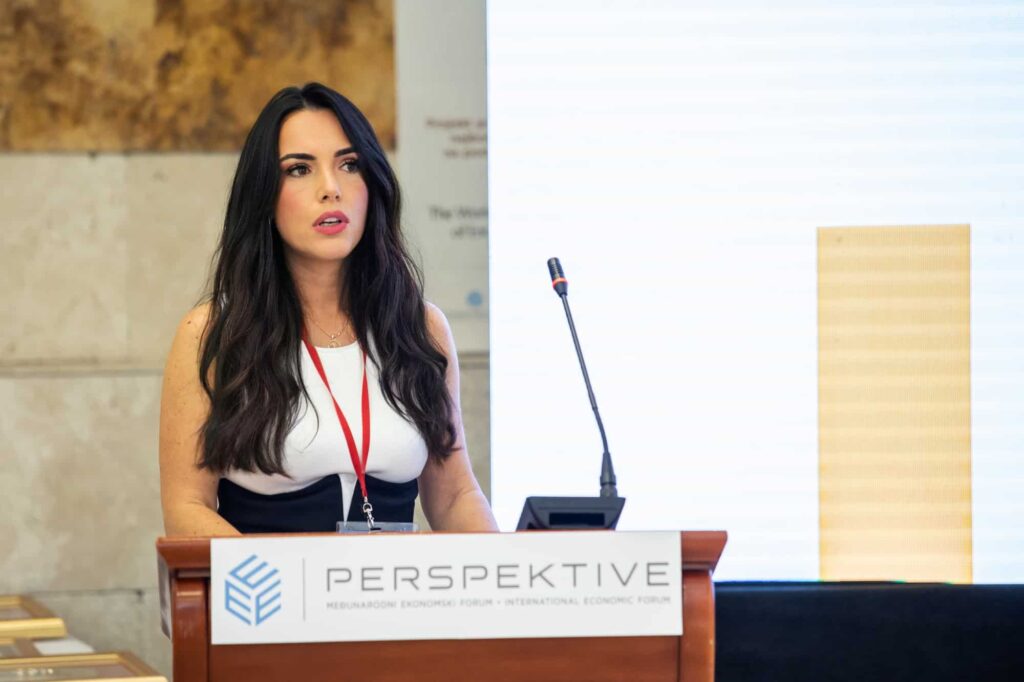

Today, Vanja defines success in a broader way than simply business growth. For her, success means doing work that is meaningful, creating value beyond financial results, and maintaining enough balance to sustain energy over the long term. At VERBA, success also means building a company that is stable, trusted, and capable of lasting for many years.
“Communication across languages is not just about words-it’s about making businesses truly understood across cultures.”
Looking toward the future, Vanja believes the business landscape will continue to evolve as artificial intelligence takes over many operational tasks. In the language industry, this shift will change how work is performed, but it will also highlight the importance of deeper understanding. The companies that succeed will be those that can understand context, culture, and client expectations more effectively than others. According to Vanja, the future will belong to organizations that combine technological capability with human insight.
Name: Vanja Keindl
Contact: vanja.keindl@verba.hr
Company: VERBA
Website: http://verba.hr/