

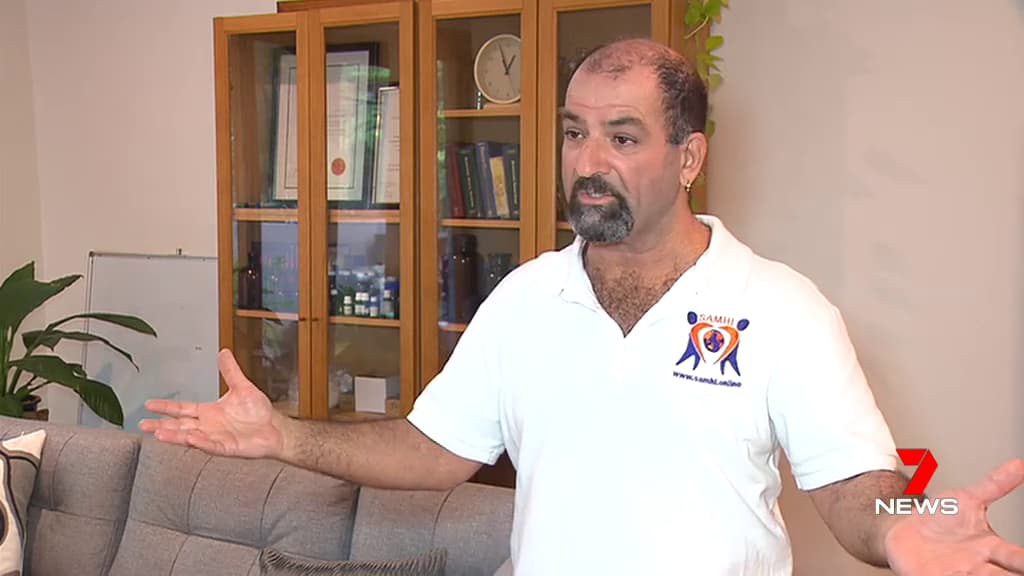
George Patriki is the Director and Dual Diagnosis Consultant at Gold Coast Addiction & Treatment Rehab, and his journey in healthcare is deeply shaped by lived experience, resilience, and a lifelong commitment to service. His path into the field did not begin in classrooms or boardrooms, but through personal struggle, recovery, and transformation. After spending seven years in active addiction, George exited the drug culture in 1983 and made a firm decision to rebuild his life. Recovery was not a quick or easy process. For more than a decade, he immersed himself in treatment and recovery programs, working through deep-rooted trauma, emotional pain, and the internal challenges that had contributed to his addiction. This period of healing laid the foundation for everything that followed.
As George progressed in his own recovery, he felt a strong pull to help others who were facing similar struggles. What began as informal support for people in need slowly evolved into a clear sense of purpose. He recognised that his lived experience allowed him to connect with people in a way that was genuine and deeply empathetic. In 1992, George began working full-time as a counsellor, educator, and clinical supervisor in the addiction and mental health field. Over the next three decades, he supported thousands of individuals and families across Australia and internationally, helping them navigate addiction, mental health challenges, and the path toward lasting recovery.
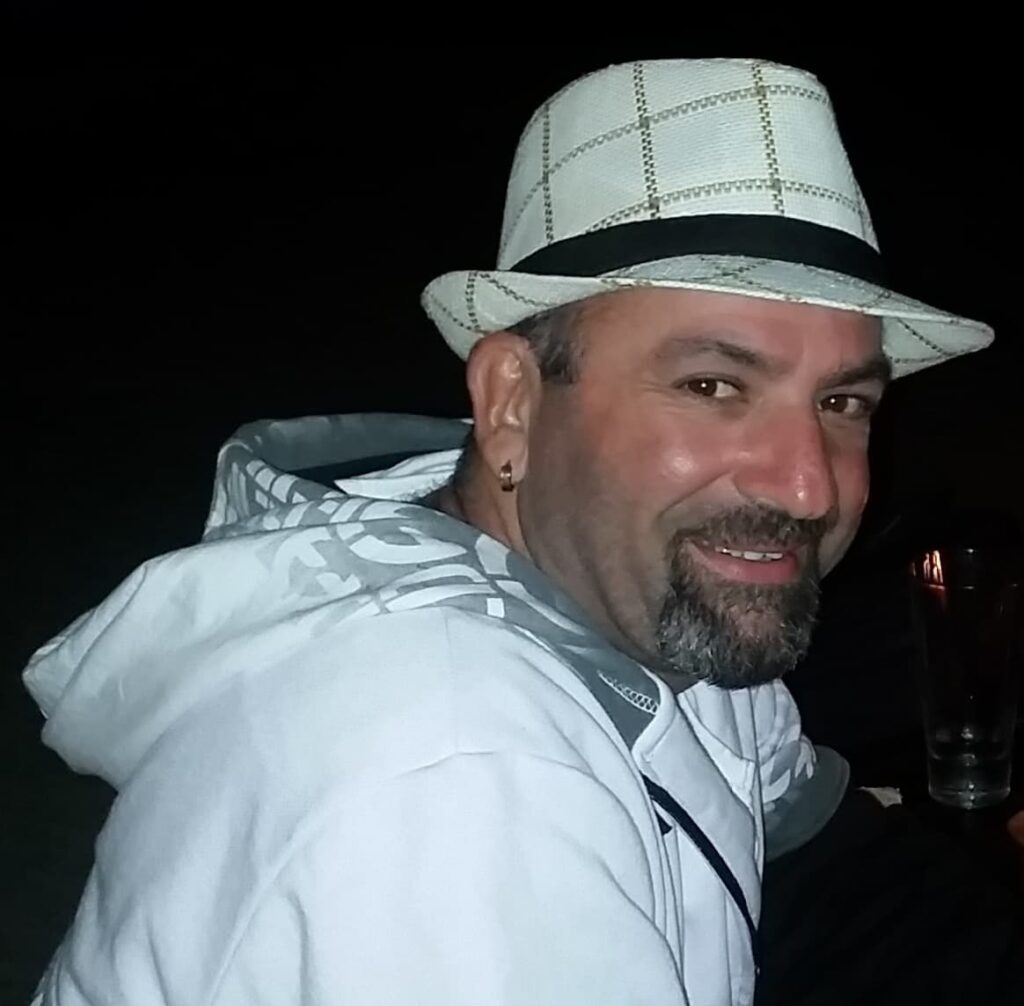
“My purpose has always been to turn pain into hope and help others rediscover meaning in their lives.”
George’s inspiration to work in healthcare comes directly from his own life journey. Having personally experienced addiction, shame, trauma, and hopelessness, he understands the complexity of these struggles at a human level. At the same time, he also experienced the transformative power of compassion, connection, and evidence-based care. These experiences shaped his belief that recovery is possible for anyone when the right support systems are in place. He often reflects on his decision to turn pain into purpose, using his past not as a burden, but as a source of insight and strength. Helping people rediscover hope, dignity, and meaning continues to be his greatest motivation.
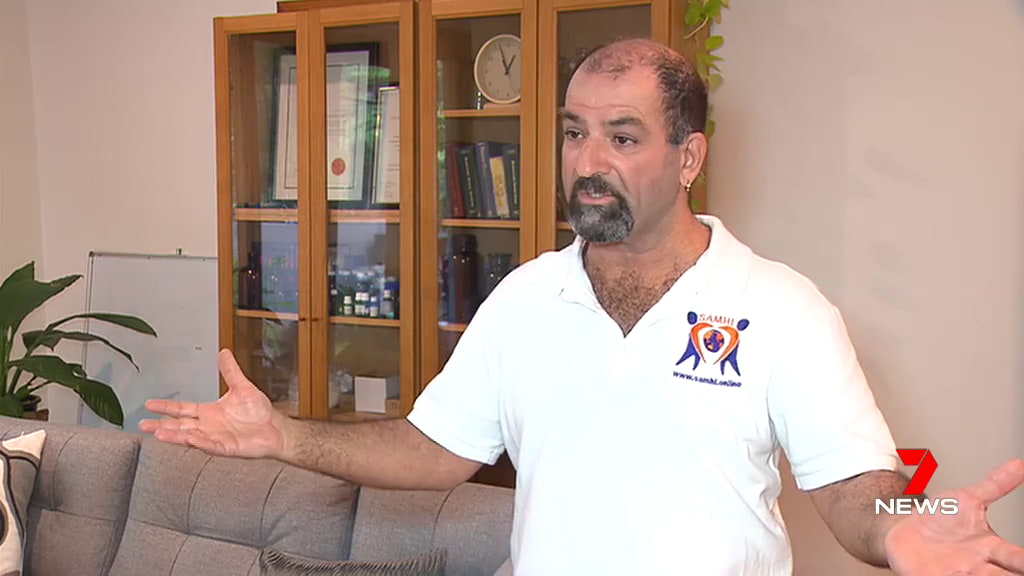
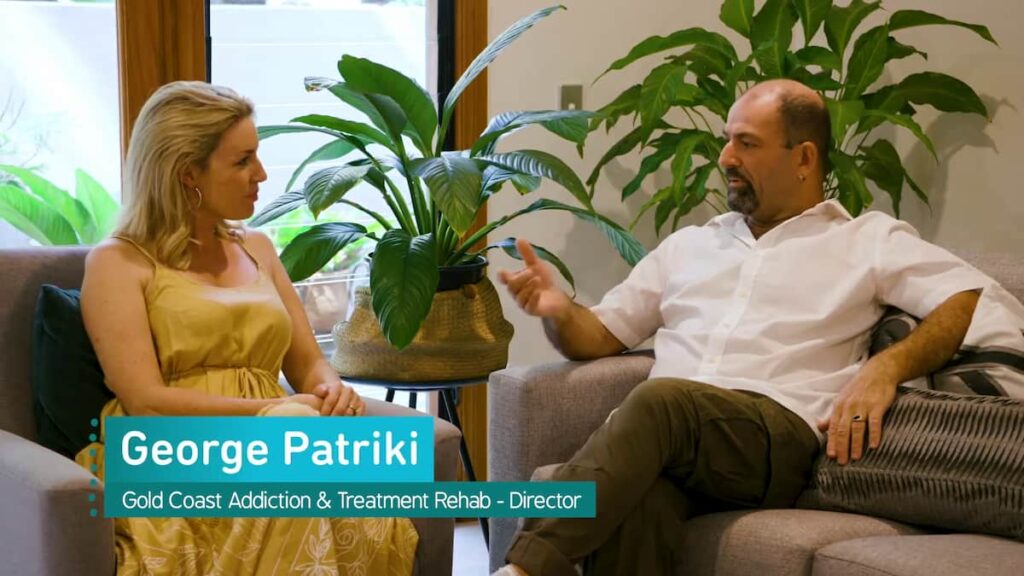
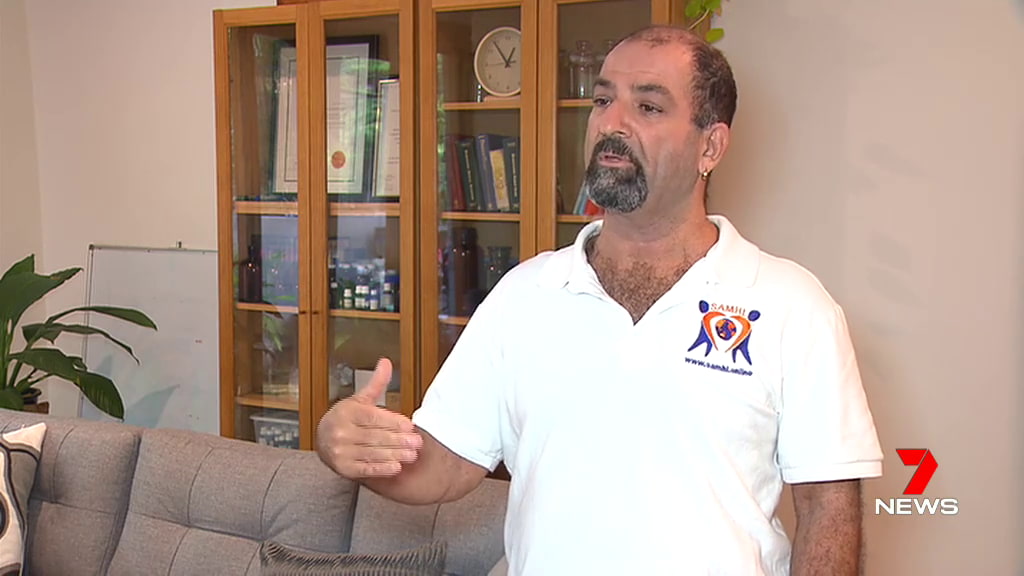
For George, healthcare excellence goes far beyond clinical outcomes or treatment statistics. He believes true excellence is rooted in treating people as whole human beings rather than as diagnoses or case numbers. This means addressing not only physical symptoms, but also psychological, emotional, social, and spiritual needs. In his view, ethical practice, evidence-based treatment, cultural sensitivity, and genuine compassion must work together. He strongly advocates for person-centred care that adapts to the unique needs of each individual, rather than forcing people into rigid, one-size-fits-all models that often fail to address deeper issues.
As a leader, George is guided by strong personal and professional values. Integrity, honesty, respect, compassion, accountability, and service form the foundation of his leadership approach. He also places high importance on humility, continuous learning, and faithfulness to ethical principles. Rather than leading from a position of authority alone, he strives to lead by example, modelling the behaviours and attitudes he expects from others. His goal is to create environments where clients feel safe and supported, and where staff feel empowered to grow both professionally and personally.
When reflecting on his achievements, George does not point to titles or awards as his greatest success. Instead, he measures achievement by the lives that have been restored. Witnessing individuals rebuild relationships, return to meaningful work, and rediscover a sense of purpose brings him deep fulfilment. On a professional level, the development of the Integrative Holistic Framework stands out as a significant milestone. This framework reflects his belief in whole-person care and has been delivered through training programs in over 124 countries. Knowing that this work continues through other practitioners around the world gives him a strong sense of legacy and responsibility.
“Healthcare excellence is not about fixing problems alone, but about caring for the whole person-mind, body, and spirit.”
Throughout his career, George has faced many challenges, both systemic and personal. One of the most persistent issues has been access to affordable, quality treatment. Financial barriers often prevent individuals from receiving the support they desperately need, especially in the field of addiction and mental health. To address this, George and his teams have worked to assist clients with funding pathways, advocate for better access, and design flexible treatment programs that can adapt to different financial situations. On a personal level, maintaining resilience in such a demanding field has required ongoing self-care, reflection, and a strong connection to purpose.
Balancing quality care with operational and financial realities is another area where George brings a thoughtful approach. He believes that investing in ethical practice, compliance with national frameworks, and continuous staff development ultimately leads to better outcomes and reduced long-term costs. By prioritising training and supervision, his organisation minimises the risks associated with ineffective treatment and staff burnout. While efficiency and sustainability are important, he is clear that these goals should never come at the expense of client wellbeing. Transparent management, smart planning, and strong partnerships play a key role in maintaining this balance.
George has observed significant changes in the healthcare landscape over recent years. There is a growing shift toward integrated, person-centred care, with increased recognition of trauma-informed approaches and mental health awareness. Prevention is also gaining importance, as more people understand the value of early intervention. Clients today are more informed and actively involved in their care, expecting personalised services that reflect their individual circumstances. At the same time, technology is reshaping service delivery through telehealth, online education, and digital support tools.
Innovation plays an important role in George’s work, but always within an ethical and evidence-based framework. He has embraced online training platforms, telehealth services, and digital resources to extend access to care globally. These tools have been especially valuable for reaching people in remote or underserved areas. In addition, his work supports innovative treatment options such as neurofeedback, hyperbaric oxygen therapy, and non-pharmacological detox methods where appropriate. For George, innovation must always be balanced with clinical evidence and a strong sense of responsibility to client safety and wellbeing.
Teamwork is central to George’s philosophy of care. He strongly believes that no single professional can meet all the needs of a client, especially in complex cases involving addiction and mental health. The best outcomes are achieved through multidisciplinary collaboration, where professionals from different backgrounds work together with mutual respect and shared purpose. Open communication, trust, and collective problem-solving are actively encouraged within his teams, creating a culture where everyone contributes to the client’s recovery journey.
Supporting and motivating healthcare professionals is another area where George places significant focus. He understands that those working in this field often face emotional and psychological demands. Through mentorship, encouragement, and ongoing professional development, he aims to create an environment where staff feel valued and supported. Regular supervision, access to training, and recognition of effort all contribute to staff wellbeing and performance. George believes that when professionals feel cared for, they are better equipped to care for others.
“Recovery taught me that when people are treated with compassion and dignity, real and lasting change becomes possible.”
Accessibility and patient-focused care remain central to George’s mission. Recognising that not everyone can attend residential treatment programs, he has supported the development of flexible options such as intensive day programs and outreach services. Assistance with funding pathways and a commitment to culturally sensitive care further help reduce barriers to access. His goal is to make healthcare as inclusive and responsive as possible, ensuring that people receive support that fits their real-life circumstances.
When offering advice to young professionals entering healthcare, George emphasises the importance of lifelong learning and character development. He encourages them to seek good mentors, invest in self-care, and remain connected to the deeper purpose behind their work. Skills and knowledge are essential, but empathy, integrity, and self-awareness are equally important. Above all, he reminds them that healthcare is about people, not just systems or diagnoses.
Looking toward the future, George believes that leadership in healthcare will increasingly require emotional intelligence, adaptability, ethical decision-making, digital literacy, and collaborative skills. As systems become more complex and technology continues to evolve, leaders must find ways to balance innovation with compassion. For George, strong leadership is not about control, but about guiding others through change with clarity and care.
George Patriki’s vision for the future of healthcare is grounded in integration, accessibility, and holistic care. He is committed to continuing his work in training practitioners, expanding innovative treatment programs, and promoting ethical, person-centred models of care. Ultimately, his hope is to leave a lasting legacy that supports future generations of healthcare professionals in delivering better, more compassionate care to those who need it most.