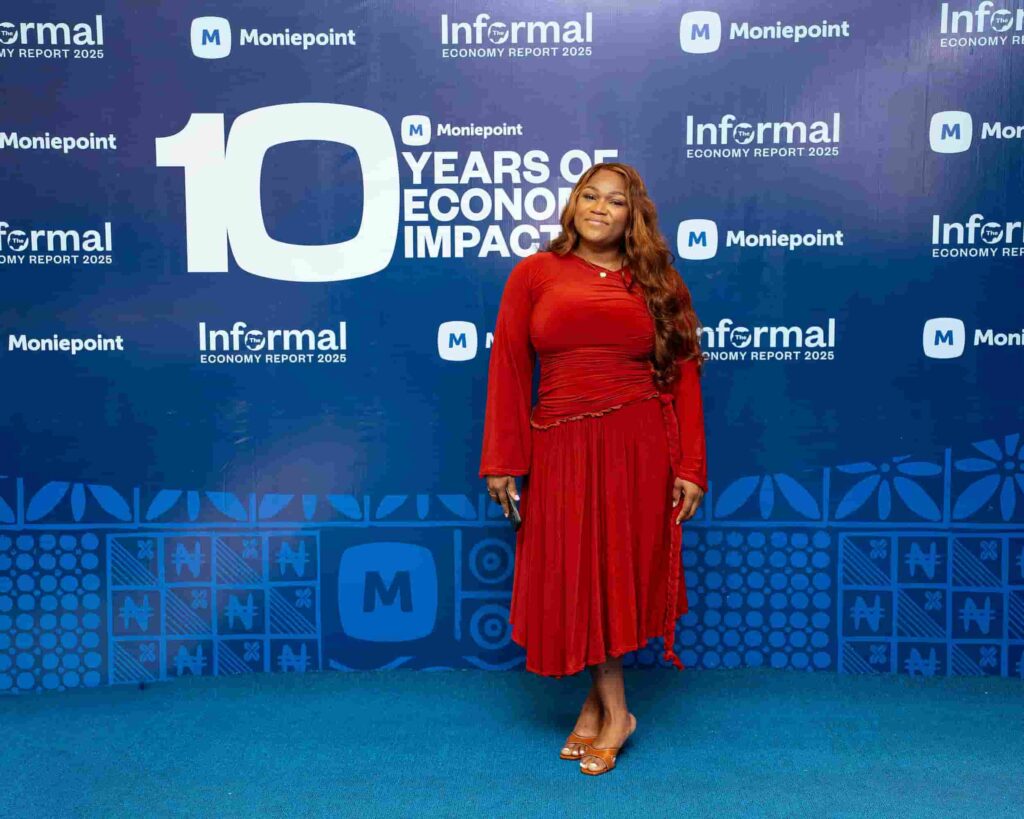


Iwalola Sobowale’s journey into technology has always been guided by one clear purpose: impact. From a very young age, she carried a strong desire to make things better, faster, easier, or bigger in whatever way she could. As a child, this desire showed up in her dream of becoming a doctor, a profession she associated with helping people and improving lives. Over time, that same motivation evolved, leading her into a career where she now helps shape technology that supports tens of millions of people, businesses, and a significant part of the Nigerian economy. Even though her role today looks very different from medicine, the core intention remains the same-creating meaningful, real-world change.
Her professional path did not begin in technology. Iwalola studied Law at the undergraduate level, and at the time, a career in tech was not an obvious or widely discussed option. In the early 2010s, however, Nigeria’s technology and fintech ecosystem was beginning to grow in exciting ways. Companies like Paystack and Piggyvest were making a visible impact, changing how people saved money, made payments, and interacted with financial services. Like many others during that period, Iwalola found herself deeply inspired by what these companies were building and the scale of influence they were achieving. This inspiration sparked a strong curiosity in her, pushing her to understand how these digital products worked behind the scenes.

“When women stop shrinking themselves and start believing in what is possible, the future of technology becomes more inclusive and powerful.”
Driven by that curiosity, she began to teach herself. She read countless articles, followed industry blogs, listened to podcasts, and paid close attention to the voices shaping conversations around technology, fintech, and digital products. At that time, terms like “user experience,” “retention,” and “product management” were unfamiliar to her, especially in the context of technology. Instead of being discouraged by this knowledge gap, she leaned into it. She followed her questions down many paths, slowly building an understanding of how digital products are designed, built, and scaled. Eventually, this exploration led her to customer research, a field that sits at the intersection of product development, engineering, business strategy, growth, and operations. It was here that everything began to connect.
Today, innovation plays a central role in Iwalola’s daily work. She strongly believes that there is always a better way to do things-a way that is simpler, smoother, faster, or more convenient for users. This belief guides how she approaches problems and how she collaborates with others. In her role, she works closely with cross-functional teams and stakeholders, using customer insights to influence decision-making across multiple areas of the organization. These insights help shape products, inform business growth strategies, support marketing and sales efforts, and improve the overall customer experience. As technology becomes more accessible and barriers to building digital products continue to drop, she sees it as increasingly important to stay deeply connected to customer needs, pain points, and unmet desires. Innovation, for her, is not just about new ideas, but about turning understanding into solutions that truly create value.
While her career has been rewarding, Iwalola acknowledges that her journey as a woman in technology has not been without challenges. Interestingly, she describes these challenges as more internal than external. Growing up within her cultural context, she observed how women are often taught to shrink themselves, to be sacrificially useful to others, and to accept what they are given without asking for more. These deeply ingrained lessons can quietly shape confidence, ambition, and self-expression. For Iwalola, one of the biggest challenges has been learning to resist this urge to shrink and instead give herself permission to take up space, speak up, and pursue opportunities boldly. She often refers to this mindset shift as learning to have “the audacity of men,” a way of challenging internal limits and social conditioning.
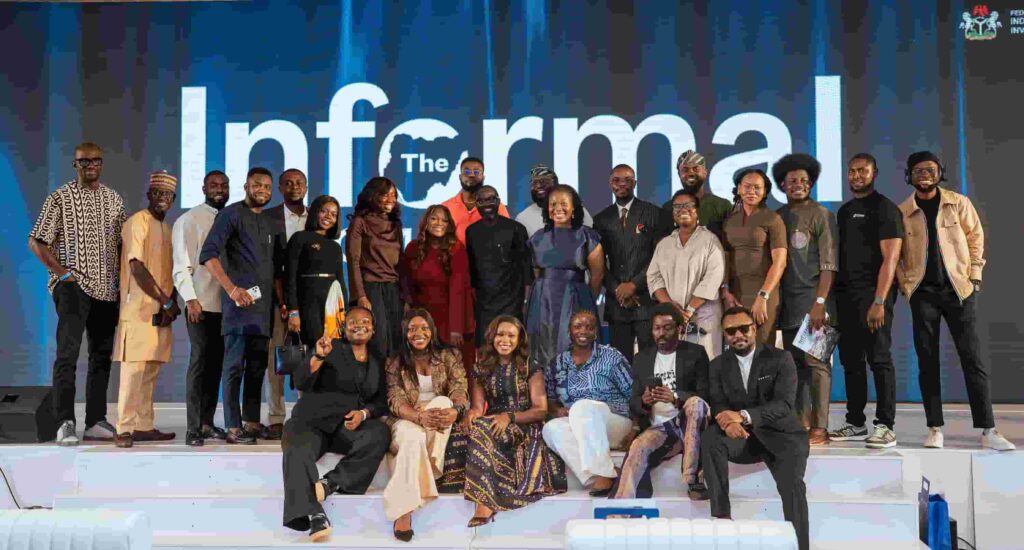
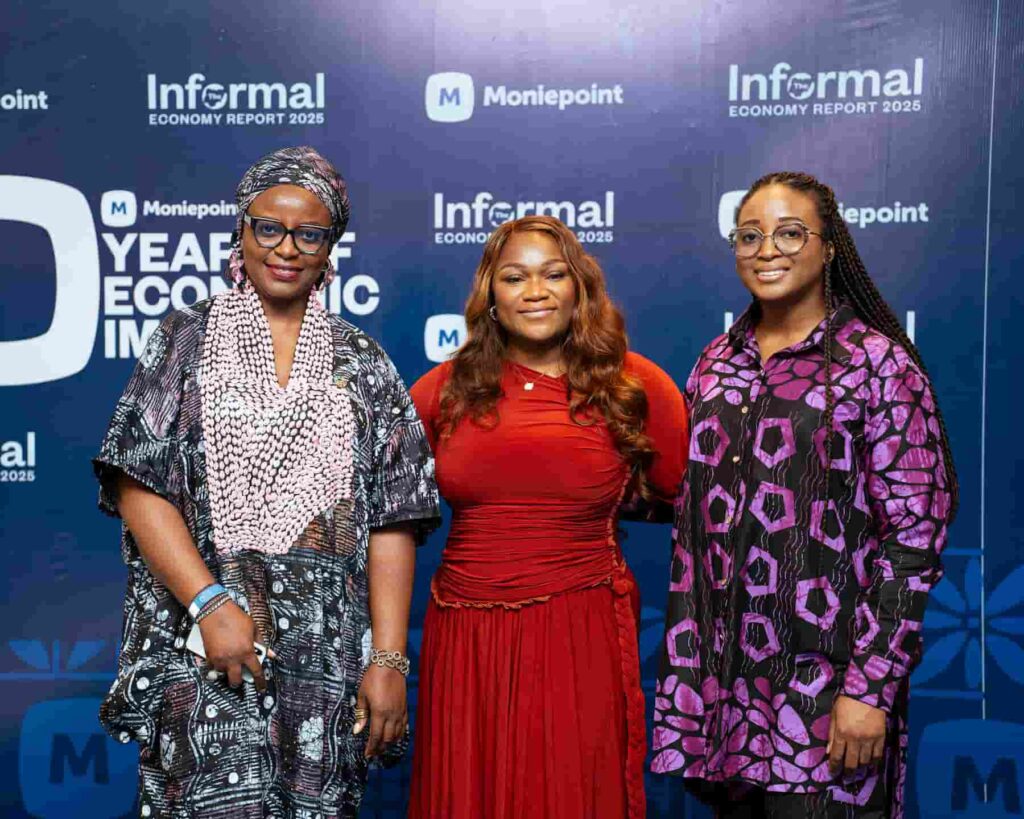
Overcoming these challenges has been made easier by the presence of other women who are thriving in the tech industry. Seeing women excel, lead teams, build products, and influence decisions has helped her believe that success is not only possible but within reach. Communities such as the HerSynergy Tribe have played an important role in this process. Within these spaces, she has found peers who are doing remarkable work, sharing knowledge, and supporting one another. These examples serve as constant reminders that she does not have to shrink herself to fit in, and that growth becomes more achievable when women support and learn from one another.
Staying updated with new technologies and industry trends is another area where Iwalola is deeply intentional. While experience is often described as the best teacher, she understands that learning only through personal mistakes can be costly. As a result, she actively learns from the experiences of others. Reading, watching, and listening are part of her regular routine. She consumes newsletters, podcasts, blogs, and books, always seeking to expand her understanding. Each year, she sets a specific learning goal to guide her development. This year, for example, her focus is on learning SQL. By setting annual goals like this, she ensures that her skill set continues to grow in a balanced way-broadening her general knowledge while deepening her core expertise. She also stays connected to industry conversations by following professionals whose work she admires on platforms like Twitter and LinkedIn.
“Innovation starts with staying close to real lives, real pain points, and turning insights into action.”

Looking ahead, Iwalola believes several technology trends will significantly shape the future. Blockchain technology stands out as a major force, especially as the world becomes more connected and global. She sees increasing demand for decentralized systems, tokenization, and smart contracts that can support trust, transparency, and efficiency across borders. Artificial intelligence is another area she finds especially transformative. The world, in her view, has already changed dramatically since the rise of tools powered by AI. People are learning faster, working smarter, and building products more efficiently than ever before. Knowledge has become more accessible, and the pace of innovation has accelerated. Within her own work, she is particularly excited about the possibilities of predictive analytics and modeling. Beyond professional applications, she is also deeply interested in how AI can improve quality of life, especially for differently abled individuals.
This interest is deeply personal. As a mother to a son with Down syndrome, Iwalola envisions a future where AI-powered tools, linguistic technologies, and intelligent agents can help expand his opportunities and improve his life prospects. She imagines a world where technology reduces barriers rather than reinforces them, creating more inclusive systems for everyone. This personal connection strengthens her belief in technology as a tool for empathy, accessibility, and long-term impact.
Ensuring that technology solutions create real impact is a principle she takes seriously. For Iwalola, it starts with staying close to customers’ lives. This means listening carefully to their feedback, understanding their struggles, and observing how they actually use products in real situations. She believes that meaningful impact comes from combining data with human insights. When numbers and stories come together, they lead to informed actions that improve products and experiences in practical ways.

“I have always been driven by impact-by the desire to make things better, easier, and more meaningful for people through technology.”
Among her many professional achievements, one that stands out is her upcoming book, Designing Usable Products for African Users: The African Usability Bible. Co-authored with Lade Tawak and Hillary Omitogun, the book draws from over 20 years of combined research experience across Africa. The work offers a much-needed framework for designing products not just for African users, but with them. The authors challenge the idea that Africa’s unique constraints are limitations. Instead, they present these realities as powerful drivers of innovation that can influence global product design. Through this book and their broader work at Usability for Africa, Iwalola hopes to reshape how designers and businesses think about usability, context, and inclusion.
When it comes to advice for young women aspiring to build careers in technology, Iwalola keeps it simple and encouraging. She urges them to go for it and to follow their curiosities, even when the path seems unclear. Learning many seemingly unrelated things may feel confusing at first, but over time, these experiences often connect in meaningful ways. She openly acknowledges the presence of imposter syndrome, which she believes is rooted in upbringing and societal expectations placed on women. Rather than ignoring fear and self-doubt, she encourages women to recognize these feelings and intentionally move beyond them. She emphasizes that many of the most capable and brilliant professionals she has worked with are women who also lead full, balanced lives. Her final advice is to seek out women who are already doing what you aspire to do. Once you can clearly visualize your future, achieving it becomes far more possible.