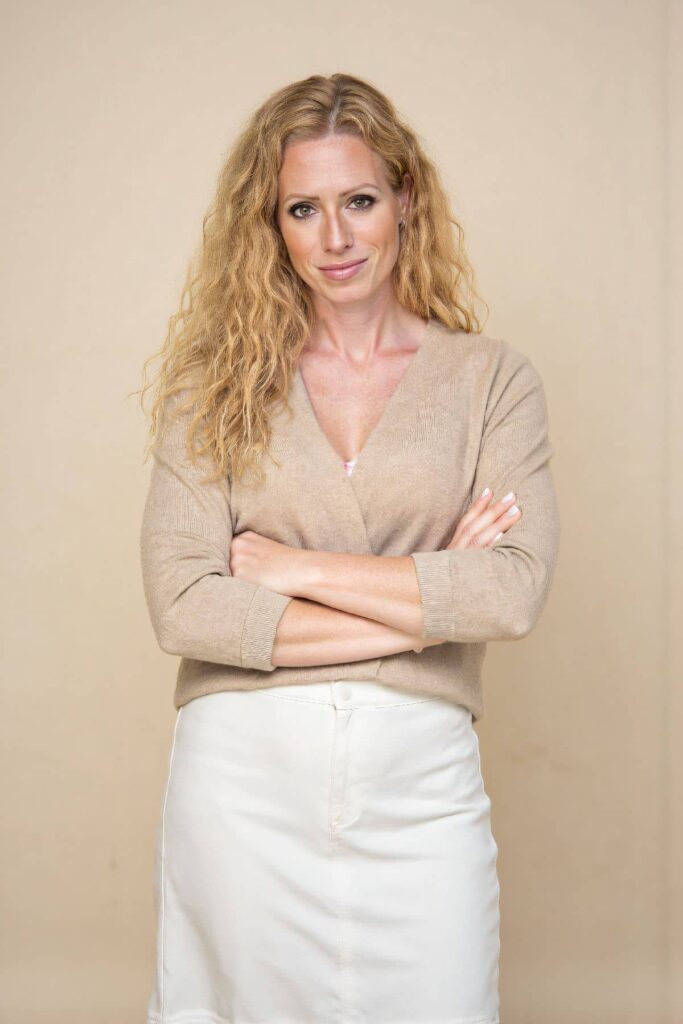


Victoria Pelletier’s professional journey is defined by transformation rather than a straight or predictable path. At just 24, she became a Chief Operating Officer, an experience that pushed her early into complex, high-pressure environments where trust, clarity, and results were critical. Over the last three decades, she has held multiple C-suite roles across professional services and technology, led global businesses, and played a key role in more than 40 mergers and acquisitions. She is often brought in when organizations are growing rapidly, falling behind, or facing major change, and need help turning ambition into execution. Today, she leads large-scale enterprise transformation globally, covering strategy, workforce transformation, change, and value realization. Alongside this, she leads Unstoppable You, where she combines keynote speaking, media work, coaching, and advisory support focused on leadership, personal brand, and future-ready transformation. At every stage of her career, her focus has remained consistent: creating real value, building trust at scale, and designing organizations that work for people as well as performance.
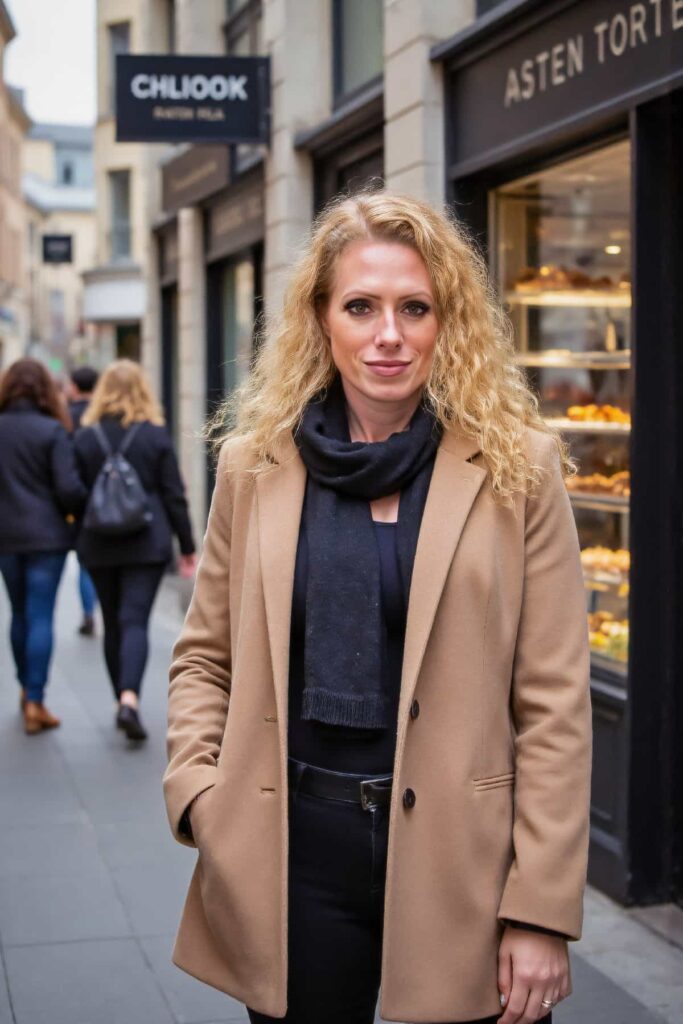
“You never need to dim your voice to lead with impact.Top of Form
For Victoria, leadership today is far less about control and far more about trust. She believes leaders are valued not for having all the answers, but for creating clarity in uncertainty and asking better questions. In a world shaped by constant change, AI, and higher expectations of transparency, leadership means earning followership rather than demanding compliance. She leads as a whole human, combining empathy, accountability, and authenticity with high standards and a strong focus on outcomes. In her view, performance and humanity are deeply connected, and the strongest leaders understand that one cannot exist without the other. Ultimately, leadership is about impact on people, culture, and results, and leaving things stronger than they were before.
Victoria believes women are redefining leadership in 2026 by changing what is rewarded. Leadership is shifting away from loud, hierarchical, and performative styles toward trust, collaboration, emotional intelligence, and real accountability. Women are leading with both clarity and empathy, proving that strength and humanity can exist together. Many women are no longer trying to fit into outdated leadership moulds, but are instead reshaping cultures, challenging power structures, and ensuring diverse perspectives truly influence decisions. By being clear about values, boundaries, and impact, women are integrating performance with purpose and setting a new standard for leadership in a complex world.
Much of Victoria’s work has focused on moving organizations from activity to outcomes. She has helped shift transformation efforts away from disconnected initiatives toward integrated models that align strategy, people, processes, technology, and value realization. This includes building transformation and value realization offices, redefining success metrics, and treating change as a core business discipline. At an industry level, she has consistently advocated for modern and human-centered leadership models, especially as technology continues to reshape work. Through speaking, writing, and advisory work, she emphasizes raising standards while ensuring people are brought along through change, not left behind.
“Performance and humanity are not opposites—they strengthen each other.”
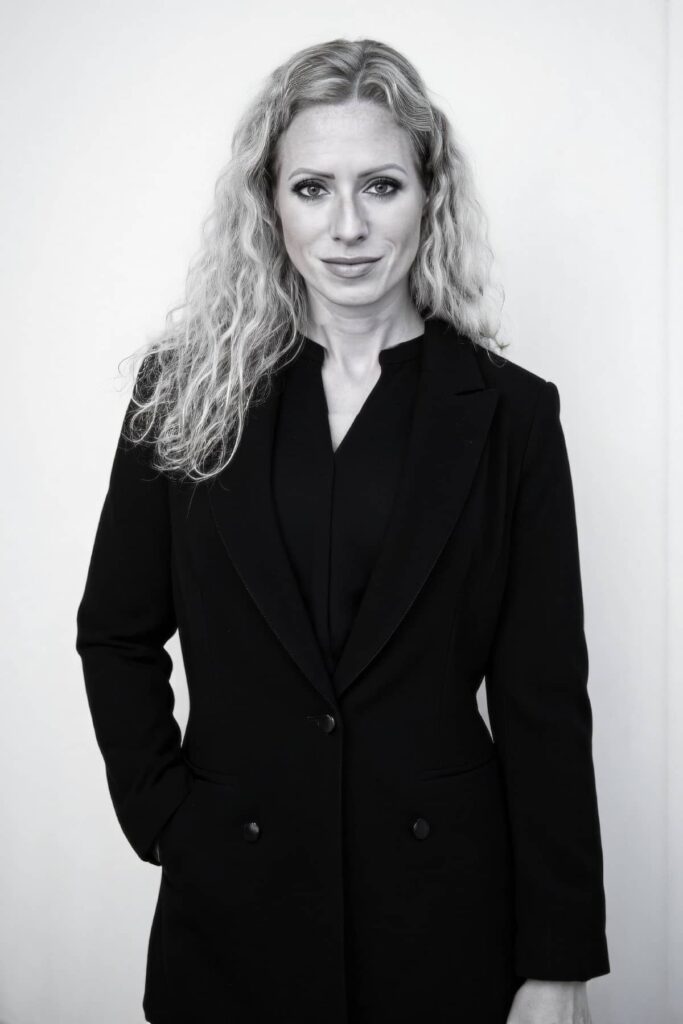
As a woman leader, Victoria faced significant challenges early in her career. She was often the youngest person in the room and the only woman at the table, which brought intense scrutiny and unfair assumptions. She was expected to be decisive but not assertive, confident but not too bold. When she led with clarity, she was labeled aggressive, a judgment rarely applied to male peers. She overcame these challenges by refusing to choose between being human and being effective. By grounding decisions in data, being transparent, and delivering consistent results, she built credibility that spoke louder than labels. These experiences shaped her belief that leaders do not need to dim their voice or change who they are to succeed.
During times of change and uncertainty, Victoria focuses on clarity, trust, and momentum. She believes people need honest context, not false certainty. By being transparent about what is known, what is not, and how decisions will be made, she reduces anxiety and keeps teams focused. She invests deeply in trust by listening, acknowledging impact, and creating safe spaces for open dialogue. She also maintains momentum by breaking change into achievable milestones, celebrating progress, and reinforcing purpose so people know their work matters.

Victoria describes the most important future leadership qualities as part of what she calls whole human leadership, a concept she explores in her book The Power of Whole Human Leadership. This approach recognizes that effective leadership requires both strength and humanity. Future leaders must lead with courage, accountability, empathy, self-awareness, and integrity. As AI and disruption continue to reshape work, leaders who succeed will be those who understand people as humans first, motivated by trust, purpose, and meaningful impact.
She does not see business goals and wellbeing as competing priorities. In her experience, sustainable performance comes from healthy systems, clear expectations, and cultures where people feel trusted and accountable. Whole human leadership, for her, is practical and results-driven, recognizing that strong outcomes are always delivered by people.
Victoria hopes to be remembered not just for what she achieved, but for how she showed up. She aims to leave workplaces and communities stronger, kinder, and more human. If people feel more confident, capable, and seen because of her leadership, and if the world is even slightly better because she was in it, that is the legacy that matters most to her.
“Leadership today is built on trust, clarity, and being human.”