
The future of education is no longer defined solely by academic performance. Around the world, schools are being challenged to prepare young people for lives shaped by technological disruption, environmental change, and an increasingly interconnected society. In this new landscape, educational leadership demands more than operational excellence, it requires vision, courage, and the willingness to rethink long-held assumptions about how children learn best.
Few educators embody that philosophy more fully than Mr. Nenad Gazikalovic, Founder and Owner of Chartwell International School and the visionary behind Green School by Chartwell. Over the past decade, he has helped reshape conversations around international education in Serbia by championing an approach that combines academic rigor with emotional well-being, environmental responsibility, and experiential learning.
His work reflects a belief that education should not simply respond to change but anticipate it. Rather than preparing students for the world as it exists today, Mr. Gazikalovic believes schools have a responsibility to prepare them for the world they will inherit tomorrow.
A Vision Beyond Conventional Education
Mr. Gazikalovic’s journey into educational leadership began with a straightforward but ambitious objective: to create a school where academic excellence and personal development would carry equal importance.
When Chartwell International School opened its doors, international education in Serbia was already evolving. Yet Mr. Gazikalovic recognised that simply delivering a respected curriculum would not be enough. Families increasingly sought schools capable of nurturing confident, adaptable, and compassionate young people, which are qualities that cannot be measured by examination results alone. That understanding became the foundation of Chartwell’s educational philosophy.
Over time, however, another realisation emerged. The pace of global change was accelerating. Advances in artificial intelligence, shifting labor markets, climate concerns, and growing awareness of mental health were reshaping expectations of education itself. For Mr. Gazikalovic, the answer was not incremental improvement but meaningful transformation. Green School by Chartwell became the next chapter of that vision.
Learning That Extends Beyond Four Walls
The concept behind Green School is deceptively simple: children learn more deeply when they actively engage with the world around them.
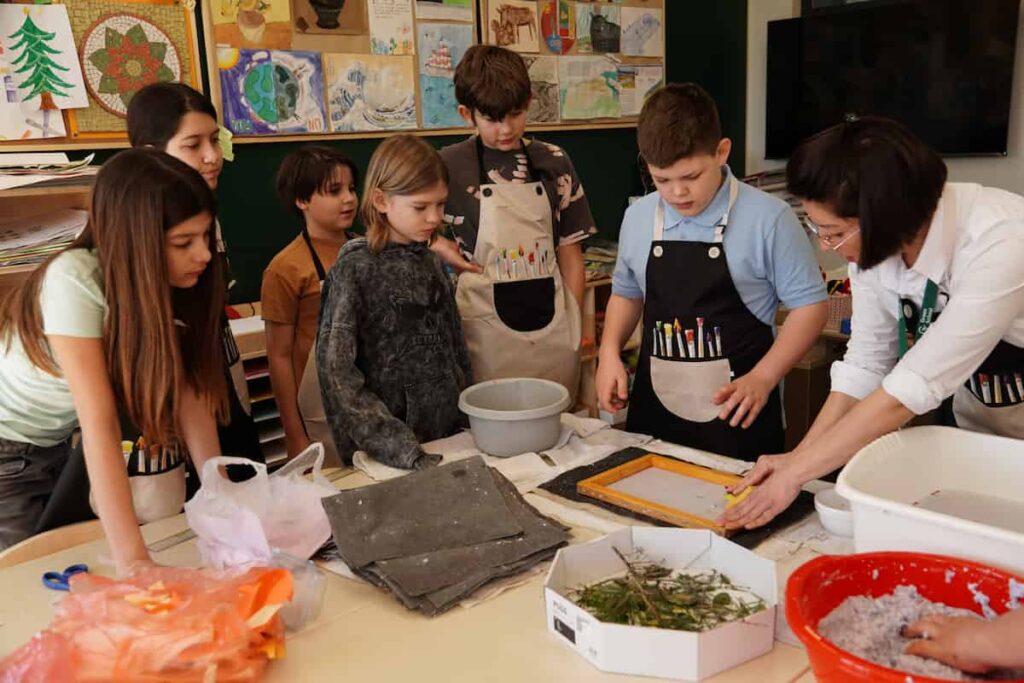
Instead of separating academic knowledge from everyday experience, the school integrates the internationally recognised Cambridge International Curriculum with project-based learning, outdoor exploration, interdisciplinary teaching, and practical application.
Lessons become experiences rather than routines. Students investigate scientific concepts outdoors, apply mathematical thinking to real-world projects, engage in creative arts, participate in environmental initiatives, and solve authentic challenges that encourage critical thinking. The result is an educational model where curiosity is not an occasional outcome, it is the starting point.
Mr. Gazikalovic believes this shift fundamentally changes students’ relationship with learning. Rather than studying simply to pass examinations, they begin asking questions because they genuinely want to understand the world. That distinction, he argues, makes all the difference.
Designing an Environment That Inspires
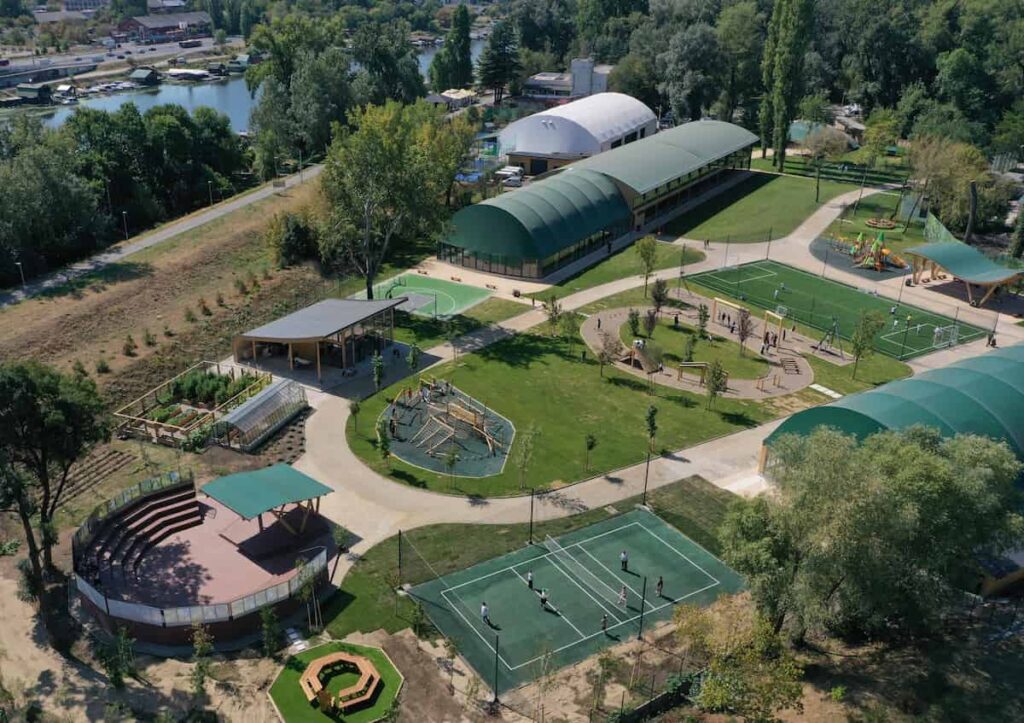
Educational philosophy often begins with curriculum. Mr. Gazikalovic believes it also begins with the environment. The decision to establish Green School at Ada Ciganlija reflects a deliberate commitment to creating a space that encourages exploration, movement, and reflection.
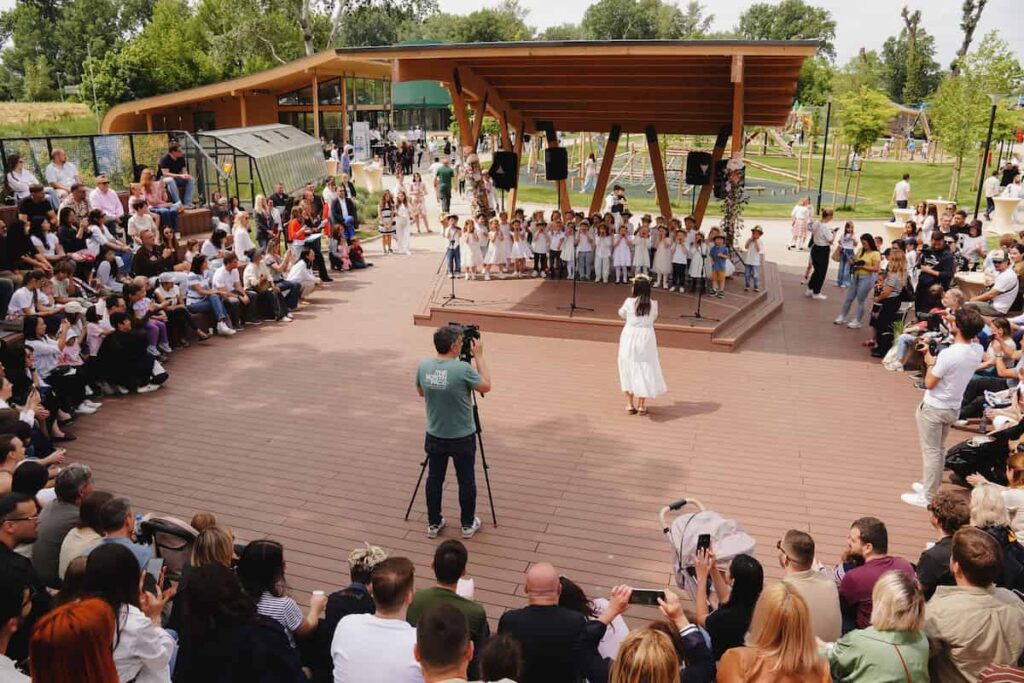
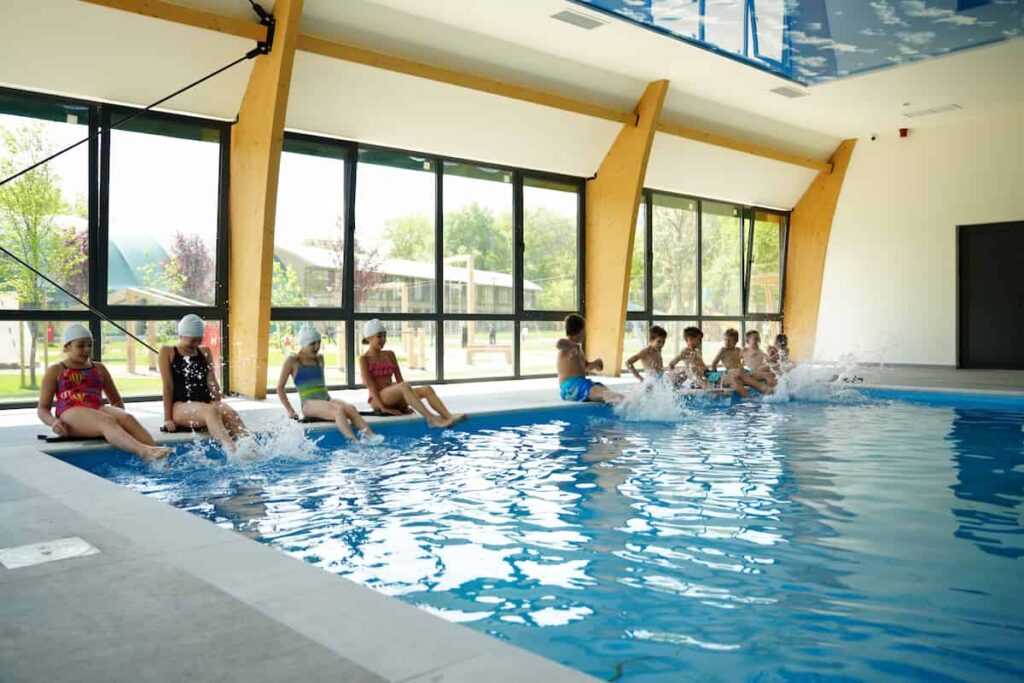
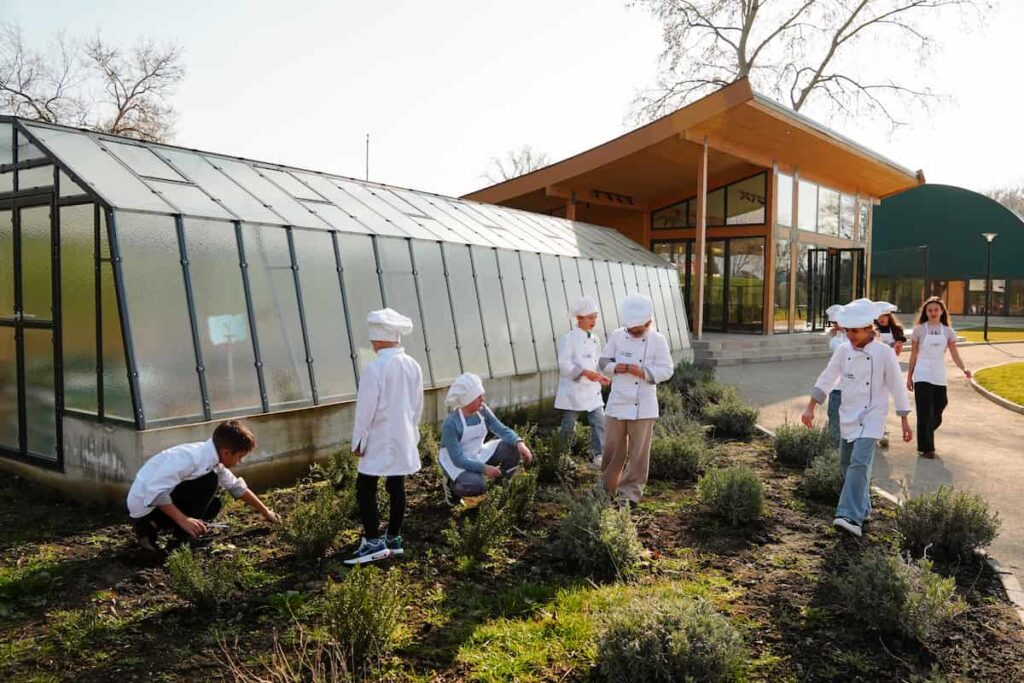
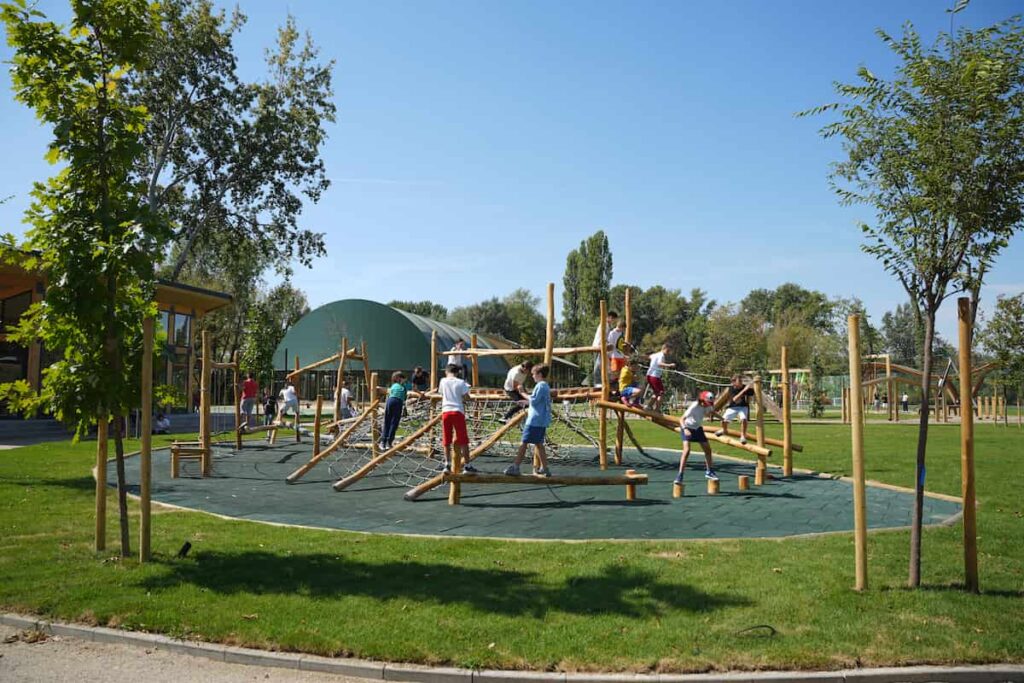
Surrounded by trees, open landscapes, and water, the campus offers students opportunities rarely found in traditional urban schools. Outdoor classrooms, cultivated gardens, performance spaces, sports facilities, and collaborative learning environments allow education to unfold naturally across the entire campus.
The setting itself becomes an active participant in learning. Science lessons unfold beside ecosystems students can observe firsthand. Gardening teaches responsibility, sustainability, and patience, while cooking sessions follow naturally, with the focus being on instilling healthy eating habits and learning new skills. Physical activity becomes part of everyday life rather than an extracurricular activity.
Research increasingly highlights the positive relationship between nature, cognitive development, and emotional well-being. Mr. Gazikalovic has translated that understanding into a school where the physical environment supports curiosity as intentionally as the curriculum does. Every design choice reflects a larger philosophy: when students feel connected to their surroundings, they become more engaged with learning itself.
Leadership Through Innovation
Introducing new concepts has become one of education’s most frequently used expressions, but Mr. Gazikalovic approaches the idea with measured practicality.
Innovation, he believes, should never be pursued simply because it is fashionable. It should solve real problems, improve learning outcomes, and create meaningful experiences for students. That philosophy shapes every stage of development across both Chartwell International School and Green School.
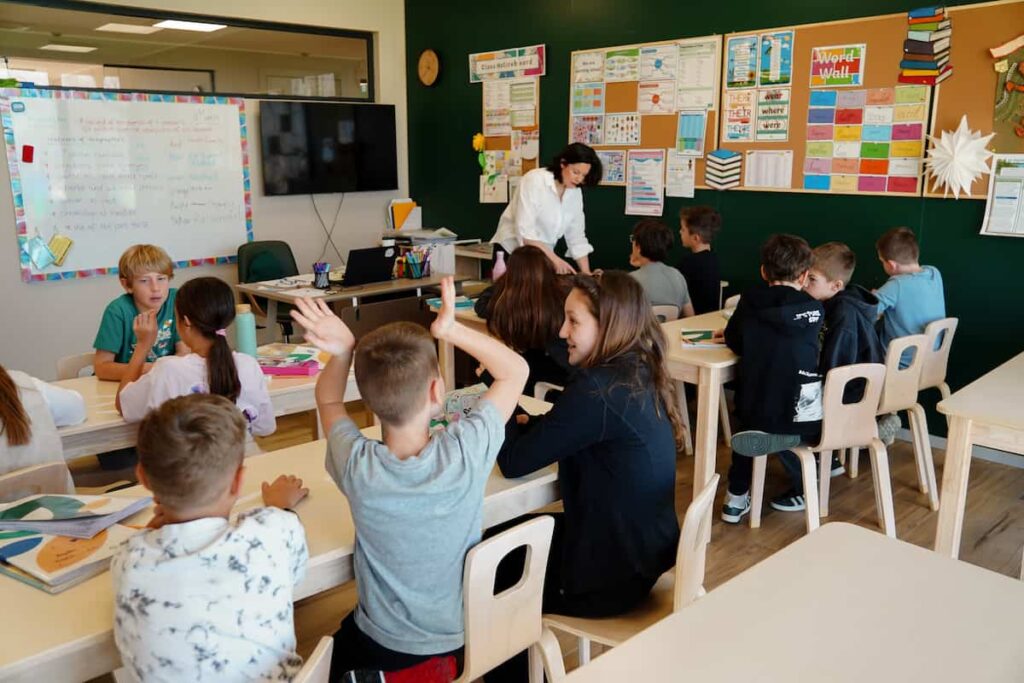
Emerging technologies are thoughtfully integrated into classrooms to expand opportunities for research, collaboration, and personalised learning. Digital platforms enhance communication and accessibility while providing students with skills increasingly essential in higher education and future careers.
Yet, Mr. Gazikalovic is careful to emphasise that technology should enhance human interaction, not replace it. Teachers serve not merely as instructors but as mentors, facilitators, and trusted guides who encourage students to think independently, ask challenging questions, and develop confidence in their own abilities.
In an era increasingly influenced by automation, Mr. Gazikalovic considers authentic human connection one of education’s greatest competitive advantages.
Preparing Students for an Unknown Future
Perhaps the greatest challenge facing today’s educators is uncertainty. Today’s students will enter careers that may not yet exist, solve problems that have not yet emerged, and work alongside technologies that continue to evolve at unprecedented speed.
Mr. Gazikalovic believes schools therefore carry a responsibility far greater than delivering academic content. Education should cultivate the qualities that remain valuable regardless of how the future changes: critical thinking, adaptability, resilience, creativity, communication, collaboration, ethical judgment, and intellectual curiosity.
These competencies are intentionally embedded throughout Green School’s educational model. Students participate in collaborative projects, creative problem-solving exercises, environmental initiatives, artistic expression, leadership opportunities, and community engagement that allow them to develop practical skills alongside theoretical knowledge.
The goal is not simply to produce successful students but capable, thoughtful, and compassionate citizens prepared for an ever-changing world.
Well-Being as Educational Strategy
Conversations around student well-being have become increasingly prominent in recent years. For Mr. Gazikalovic, however, holistic education has long been central to effective learning.
Academic success cannot flourish where confidence, emotional security, or personal balance are absent. Consequently, Green School incorporates mindfulness, physical movement, creative expression, gardening, cooking, drama, and outdoor activities into everyday school life. These experiences contribute not only to physical health but also to emotional intelligence, empathy, self-awareness and healthy interpersonal relationships.
Children who feel secure are more willing to explore unfamiliar ideas, embrace challenges, collaborate with others, and recover from setbacks: qualities increasingly recognised as essential for long-term success.
Investing in Educators
Behind every successful educational institution stands a committed faculty. Mr. Gazikalovic readily acknowledges that no strategic vision can succeed without talented educators empowered to innovate within their own classrooms.
Professional development, collaboration, continuous learning, and shared leadership form key components of Chartwell and Green School’s organisational philosophy. Teachers are encouraged to innovate, exchange ideas, and continuously refine their practice in response to evolving educational needs. Rather than focusing solely on performance metrics, Mr. Gazikalovic emphasises trust, mutual respect, and professional autonomy.
Education Connected to Community
Another important dimension of Mr. Gazikalovic’s leadership is his belief that schools should never exist in isolation. Education becomes significantly more meaningful when students engage with the wider community. Therefore, Green School actively encourages partnerships, collaborative projects, environmental initiatives, and community involvement that help students understand the practical impact of their learning.
This broader perspective aligns closely with Mr. Gazikalovic’s vision of developing globally minded individuals who understand both their opportunities and responsibilities.
Leading Education into Its Next Chapter
As education continues to evolve, Mr. Gazikalovic remains optimistic about the opportunities ahead.
Artificial intelligence, new pedagogical models, expanding international collaboration, and growing environmental awareness are reshaping what schools can achieve. Rather than resisting these changes, he believes educational leaders must guide them with purpose and responsibility.
His leadership advice is grounded in experience: remain curious, continue learning, listen carefully, lead with integrity, and never lose sight of the students whose futures depend upon today’s decisions.
Through Chartwell International School and Green School by Chartwell, Mr. Nenad Gazikalovic has demonstrated that transformative leadership begins with a willingness to rethink what education can become. His work serves as a reminder that the most impactful schools are not those that simply deliver knowledge, but those that inspire children to become confident learners, compassionate citizens, and responsible leaders prepared to shape a better future.
Parents’ feedback, student well-being, teacher development, and graduates’ future achievements collectively provide a more meaningful picture of institutional impact. Ultimately, success lies in whether students leave school equipped not only with knowledge but with the ability to continue learning throughout life.